
5 Crucial Steps for Moving to Madrid Temporarily
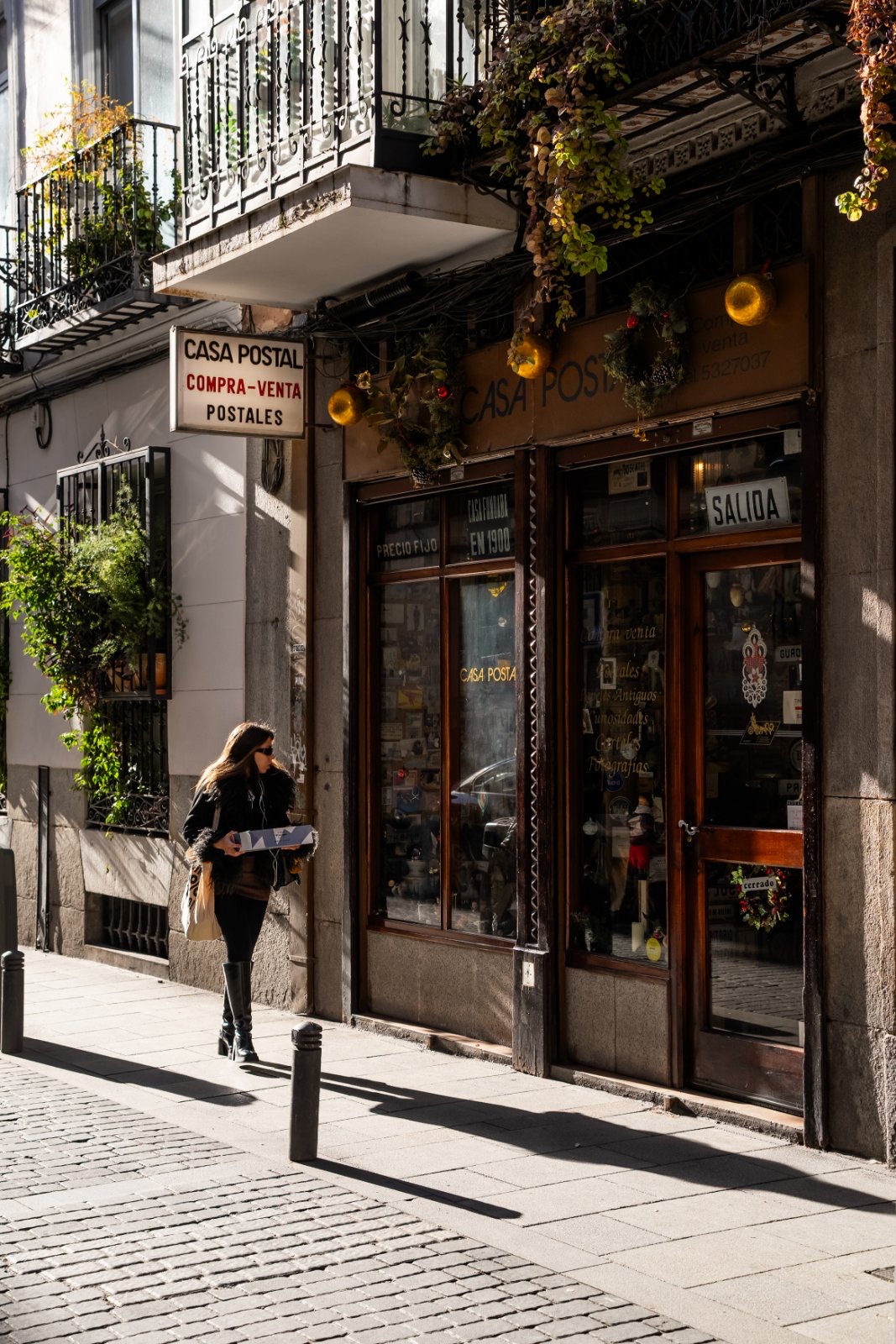
A move of a few months sits in an awkward gap: too long to treat like a holiday, too short to bother with full residency. What trips people up is rarely the flat or the flight; it's the small pieces of Spanish admin that quietly gate everything else.
Here are the five that matter most, in the order they actually unlock things, the ones no one mentions until you're stuck.
What to Know
Get your NIE early, even for a few months
The NIE (Número de Identidad de Extranjero) is the number landlords, banks, phone companies and even gyms will ask for. The non-obvious part: you can often get it faster from a Spanish consulate in your home country before you fly than by chasing a cita previa once you're here, where appointment slots vanish within minutes of release.
Private insurance for the whole stay
A genuine emergency will be treated at any public hospital, whoever you are and whatever your paperwork. What you are not covered for, coming from the US or Latin America, is everything else: a GP visit, a specialist, prescriptions, and often a bill for that emergency afterwards. So take out private travel or health insurance for the length of your stay. For everyday colds and scrapes, the local pharmacy (look for the green cross) handles far more than it would back home, and with no appointment.
A Spanish SIM and a local number
Pick up a prepaid Spanish SIM with your passport. A local number is what deliveries, restaurant bookings and verification codes all expect, and because Spain is in the EU, that same SIM roams free across Europe the moment you hop on a train for the weekend.
Check all three ride apps
Cabify and Bolt don't replace Uber; download all three and compare the price before every ride, because they leapfrog each other and a street taxi is sometimes cheaper still. Watch for surge pricing, and when it spikes, walk or jump on the Metro, which is fast, cheap and spotless.
Get to know your portero
If your building has a portero, introduce yourself in the first week. They take in your parcels, keep an eye on the place, and know the honest locksmith and the good bar on the corner; a friendly portero is the most useful contact you will have in the neighborhood.
Useful starting points: the Spanish Ministry of Foreign Affairs for a consular NIE, and the Consorcio de Transportes de Madrid for the Abono and Metro cards.
Planning a few months in Madrid? Find your home among our fully serviced apartments, or email contact@akora.com and our team will help you land smoothly.